Ultimate Moab Travel Guide: Best Things to Do, Scenic Drives & Planning Tips
Moab is one of those places that makes you say, “How is this real?” at least once a day.
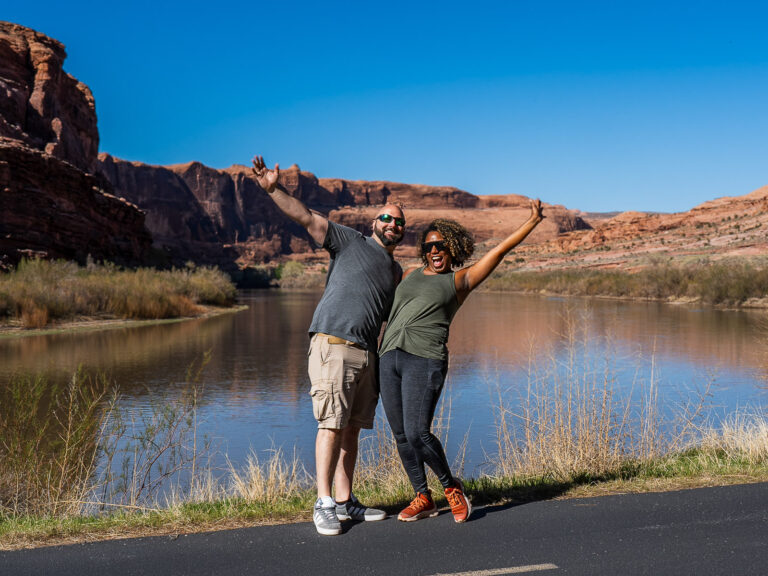
Red rock cliffs, canyon overlooks, off-road trails, national parks, river drives, food trucks, Jeep routes, and desert sunsets all seem to collide in one rugged little adventure town. And somehow, even after visiting Moab several times, we still don’t get tired of it.
But Moab isn’t just “the town near Arches.” It’s one of the best outdoor adventure hubs in the West — an anchor you can build a quick national park weekend around, a long-week basecamp, or a natural stop on a bigger Utah road trip.
Think of this as a practical Moab travel guide for figuring out what actually fits your trip. The trick isn’t doing everything. It’s knowing what kind of Moab experience you’re planning and building around that instead of trying to cram it all in.
Moab Planning Snapshot
Best for: National parks, off-roading, scenic drives, hiking, rafting, mountain biking, RV travel, dog-friendly adventures outside the parks, and endless desert scenery.
Ideal trip length: 3 to 5 days. You can visit in one day, but that’s more of a sampler platter than a real Moab experience.
Best seasons: Fall is our favorite, with spring close behind. Summer is doable with a plan around the heat. Winter is quieter but more variable.
Closest major airports: Salt Lake City (~4 hours). Grand Junction, Colorado (~2 hours).
Good base for: Arches National Park, Canyonlands National Park, Dead Horse Point State Park, off-road routes, and southeastern Utah road trips.
Trip style: Active, scenic, dusty, adventurous, flexible.
Planning level: Moderate. Moab is easy to enjoy, but the best trips need some strategy around timing, weather, lodging, and park access.
Our hot take: If we had to choose only one park, we’d choose Canyonlands’ Island in the Sky district. We love Arches too — but Canyonlands feels underrated, massive, and wildly dramatic.
Best adventure splurge: Renting a Jeep or booking an off-road tour.
Best free scenic drive: Highway 128 along the Colorado River.
RV-friendly? Yes, but plan ahead. Dog-friendly? Yes, but mostly outside the national park trail systems.
Quick planning note: Arches is not requiring advance timed-entry reservations in 2026, but vehicles can still be diverted during congested periods. Reservations are still required for Devils Garden Campground and Fiery Furnace. Always check nps.gov before your trip.
Why Moab Belongs on a Western Road Trip
Moab is absolutely worth building a trip around. We’ve done it several times, never been upset that we did, and it’s why we created this Moab travel guide — to help you enjoy one of our favorite places without the headaches that come with planning a long road trip.
For us, Moab isn’t just a national park stop. It’s a full adventure basecamp. Arches gets most of the attention, and it deserves it — but Moab is also your launch point for Canyonlands National Park, Dead Horse Point State Park, the Colorado River, scenic byways, off-road routes, rafting, mountain biking, and a foodie scene that has no business being that good in the middle of the desert.
You can boondock and get dusty in the best way possible. Stay at an RV park with hookups and walk to dinner. Camp along the river or go full glamping. Moab works for most travel styles as long as you want to be outside.
If your idea of vacation is “please don’t make me move,” this may not be your place. But if you want red rocks, canyon views, off-road routes, and that “I’m on another planet” feeling, Moab is hard to beat.
Moab rewards planning — not color-coded-spreadsheet-down-to-the-minute planning, but enough to avoid wasting your best hours, booking the wrong base, or cramming every cool thing in the area into a three-day sprint.
Is Moab Worth Visiting? Honest Pros, Cons & Planning Tips
How Moab Fits Into a Bigger Road Trip
Moab is also a natural anchor in several of the best road trips in the Southwest.
On a Utah Mighty 5 road trip, Moab is usually the eastern anchor — giving you access to Arches and Canyonlands plus a very different feel from Zion, Bryce Canyon, and Capitol Reef. It’s also where many travelers start to feel the difference between “seeing all five parks” and actually having enough time to enjoy them.
On a longer Southern Utah and Northern Arizona loop, Moab can connect with Capitol Reef, Monument Valley, Page, Kanab, Grand Canyon, or Sedona depending on route and time.
Coming from Colorado? Moab pairs well with Grand Junction, Colorado National Monument, or a western Colorado / eastern Utah swing.
And if you only have a long weekend, Moab works beautifully on its own. You don’t need a massive itinerary for it to feel worth the effort.
For the full Utah road trip, start with [Utah Mighty 5 Road Trip Guide: How to Plan It Without Rushing]. If you’re managing PTO and deciding how to sequence it, [How Many Days Do You Need for the Utah Mighty 5?] and [Best Airport for the Utah Mighty 5] are useful starting points.
Best Things to Do in Moab
Moab rewards people who choose their priorities before they arrive. You don’t need every hike, tour, park overlook, or scenic drive to have a great trip. Honestly, our 40-something knees and backs ache just thinking about all that. What you need is to pick the version of Moab that fits your time, season, and energy.
1. Visit Arches National Park
Arches is the park most people picture when they think of Moab, and it deserves that attention.
Famous sandstone arches, short scenic walks, big red rock formations, and one of the most iconic landscapes in Utah — even the main scenic drive is impressive. It’s a great first-timer park if you want high reward without needing an extreme hiking day.
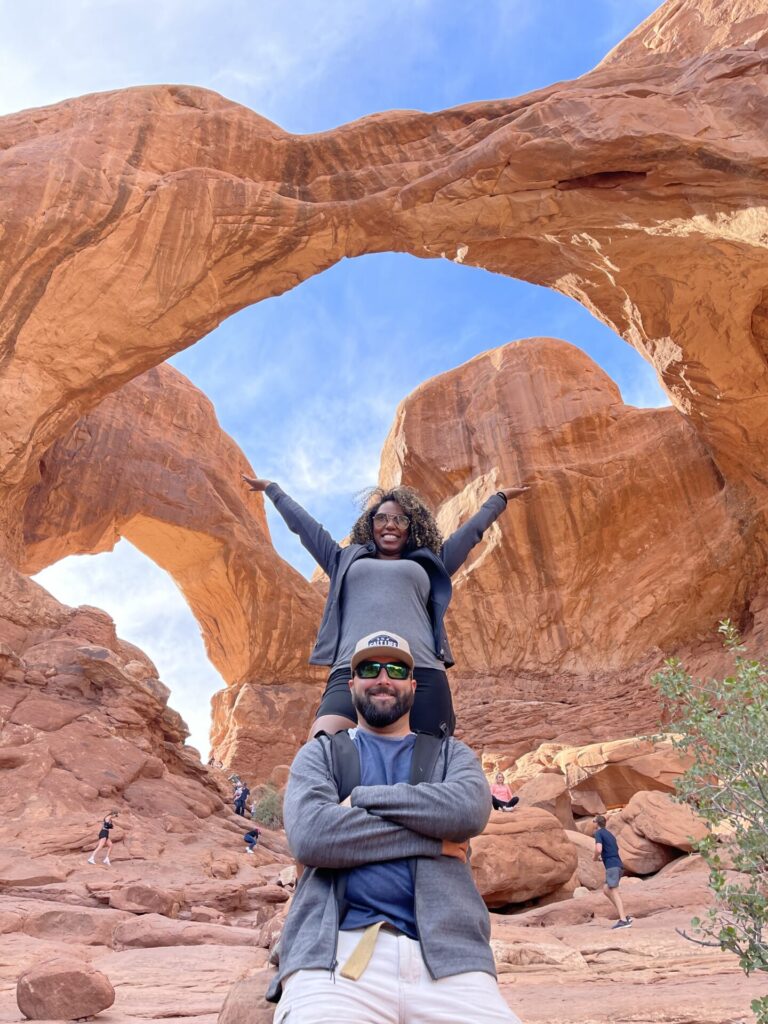
Our personal favorites: Double Arch, Landscape Arch, Devils Garden, Sand Dune Arch, and the scenic drive itself.
Delicate Arch is the most iconic feature in the park — everyone we’ve talked to swears by it — but we haven’t personally done the full hike to stand beneath it. We’ve seen it from viewpoints while doing other things. If it’s on your list, plan it intentionally. Don’t treat it like a casual add-on in the heat or at the end of a packed day.
If Arches is at the top of your bucket list, What to Expect at Arches National Park will help you figure out the best way to tackle your first visit.
2. Visit Canyonlands Island in the Sky
Canyonlands is the park we think too many first-time Moab visitors underestimate.
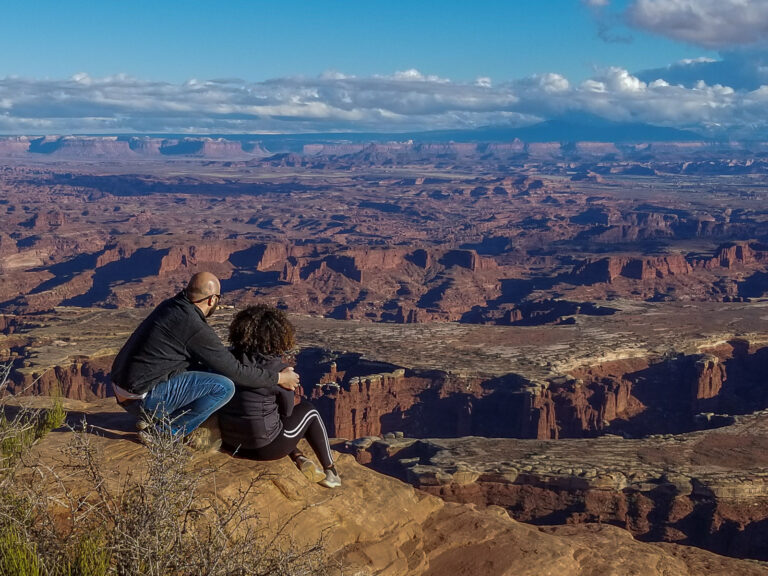
Arches is more famous, but Canyonlands gives you massive overlooks, canyon views, big-sky drama, and a sense that the land just drops away forever. Island in the Sky is the easiest district to visit from Moab and the one most first-timers should prioritize.
Mesa Arch, Grand View Point, Green River Overlook, and Shafer Canyon Overlook are among the best views we’ve encountered anywhere in the desert Southwest.
Our controversial take: Canyonlands rivals — and in many ways beats — the Grand Canyon. Not because the Grand Canyon isn’t incredible, but Canyonlands feels more rugged, less touristy, and easier to experience without logistics swallowing the whole day. If we had to choose only one park, we’d choose Canyonlands Island in the Sky.
If you’re deciding which park is best for your trip, compare Arches and Canyonlands first. For a deeper look at the park we think too many visitors underestimate, read what to expect at Canyonlands National Park.
3. Rent a Jeep or Book an Off-Road Experience
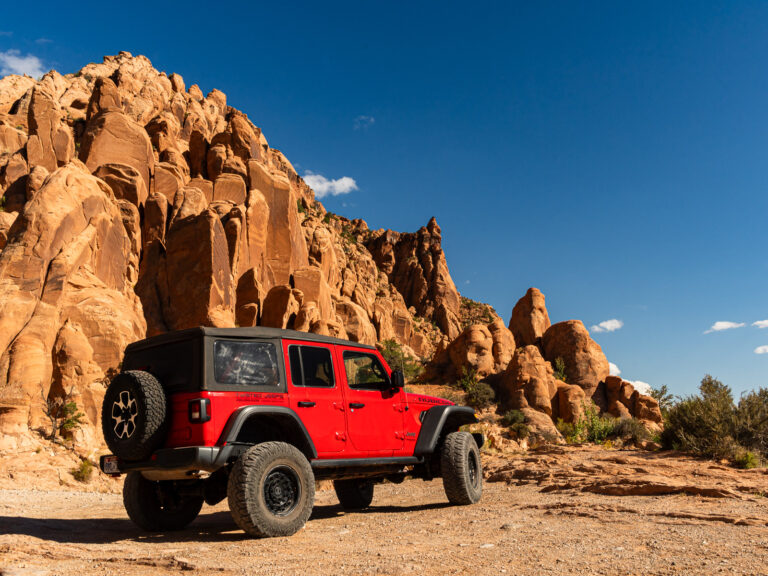
One of the best things we’ve done in Moab was renting a Jeep and driving a Potash Road / Shafer Trail route into Canyonlands.
The switchbacks, canyon walls, salt pools, and the feeling of moving through the landscape — not just looking at it from above — made it one of those adventure days we still talk about.
This is where Moab separates itself from a standard national park trip. You can absolutely enjoy the area without a 4×4, but an off-road day can change the whole feel of the trip.
If you have experience and want flexibility, a rental can be incredible. If you’d rather let someone else handle navigation and route decisions, a guided tour is the better call.
Either way: don’t pick a route based only on how cool it looks online. Match it to your vehicle, experience level, and comfort with exposure. Moab off-roading is world renowned and not the place to fake confidence.
4. Drive Highway 128 Along the Colorado River
Highway 128 is one of the best free scenic drives near Moab — no park pass, no tour reservation, no complicated planning. Just red rock canyon scenery, river views, and plenty of places to pull over.
It’s especially beautiful around golden hour, when the cliffs start glowing and the whole road feels dramatic in the best way. Go when you have room to enjoy it. This isn’t the drive we’d squeeze into the end of a packed day when everyone’s tired and hungry.
5. Choose One Big Adventure Day
Moab has big adventure energy, but that doesn’t mean every day needs five activities.
For a first trip, one strong paid experience is usually enough — a Jeep rental, guided off-road tour, rafting trip, mountain biking experience, or guided canyoneering outing. This gives your itinerary a clear anchor without turning the whole trip into an expensive adventure bonanza.
The best Moab days have one main event, then room for dinner, sunset, a scenic pullout, or a spontaneous “wait, should we stop there?” moment.
If you’re filling the rest of your itinerary, explore short and easy hikes near Moab, compare the best scenic drives near Moab, or decide which Moab tours are worth booking.
6. Explore Moab Town
Moab isn’t a huge town, but it has enough restaurants, breweries, coffee stops, food trucks, shops, and outfitters to feel like part of the trip rather than just a place to sleep.
Bonjour Bakery is a personal favorite for breakfast and pastries before a park day. Moab Food Truck Park is great when everyone’s hungry and nobody wants to negotiate. Proper Brewing is one of our go-to stops, especially when we can walk there from the RV after a long day on the trails.
That’s the kind of town time we’d actually protect in the itinerary — not overplanned, just an easy reset between big desert days.
Scenic Routes Near Moab Worth Adding
Some of the best Moab moments happen between the official stops.
Highway 128 — It’s Here Twice for a Reason
Easy scenery, river views, sunset light, no reservation required. Highway 128 follows the Colorado River northeast of Moab and is one of the simplest ways to make your trip feel more scenic without making it harder. Go with a relaxed morning, a free afternoon, or time around sunset.
Potash Road / Shafer Trail-Style Route
This is our favorite adventure in the area — the kind of route that makes you feel like you’re inside the landscape instead of just looking at it. It’s not something to treat casually though. Road conditions, weather, vehicle requirements, and comfort with exposure all matter. If you’re unsure, go guided rather than figure it out on the fly.
US-191 South Toward Wilson Arch
Wilson Arch is free, roadside, spectacular, and easy to scramble up for views of the surrounding landscape. Not a full-day destination, but exactly the kind of stop that makes a road trip feel more fun. Hole N’ The Rock is about 10 minutes up the road — a 14-room cave house carved into the mountain wall, very much its own thing. Worth checking current hours before you plan around it.
Hidden Detours Near Moab
These are the extra stops that add personality when you have time, energy, and the right route. Don’t add all of them because they sound cool — add the ones that actually fit.
Dead Horse Point State Park
Pair with Canyonlands Island in the Sky. A couple of extra hours, its own entrance fee, and some of the best canyon overlook photography in the area. Skip if you’re already exhausted or trying to keep costs down.
Wilson Arch
South of Moab on US-191. Ten to thirty minutes, free, and one of the rare detours that’s both easy and memorable. Skip if you’re not heading that direction.
Fisher Towers
Off Highway 128. Dramatic formations, great for photography, and something outside the main park flow. Skip if Arches, Canyonlands, and a long scenic drive are already filling your day.
Goblin Valley State Park
Better as a route stop between Moab and Capitol Reef than a casual Moab add-on — several hours with the drive included. Worth it on a longer Utah road trip. Skip if your Moab trip is short.
Best Time to Visit Moab
Fall is our favorite, with spring close behind.
Fall gives you cooler weather, beautiful light, easier hiking conditions, better RV comfort, and a much better setup for dogs than summer. Just know that October is not a secret — it can be one of the busiest months around Moab for exactly that reason.
Spring: Great weather and adventure conditions. Popular. Book early. Summer: Doable, but plan around the heat — go early, take midday breaks, and be careful with dogs. Fall: Our top pick. Best overall mix, but busy. Winter: Quieter and potentially cheaper, but colder and more variable.
For the full seasonal breakdown: Best Time to Visit Moab: Crowds, Weather & What We’d Choose.
How Many Days Do You Need in Moab?
If you’re wondering how many days to spend in Moab , the honest answer is more than most people plan for.
1 day: Keep it focused. One park or one solid scenic experience — not both parks, off-roading, food, and a scenic drive.
2–3 days: A solid first trip. One park more fully, a sample of the second, town, a scenic drive.
4–5 days: The sweet spot. Both parks, a Jeep or adventure day, Highway 128, good food, and actual breathing room.
1 week: Moab as a full destination. Add rafting, biking, dog-friendly trails outside the parks, and slower mornings.
The biggest mistake isn’t choosing the wrong number of days. It’s planning every version of Moab at once.
Where to Stay in Moab
For most first-time visitors, staying in or near Moab town is the easiest call. You’re close to both parks, restaurants, groceries, fuel, and those end-of-day moments where not getting back in the vehicle feels like a luxury.
We’ve stayed in and out of town, and being able to walk from our RV site at Sun Outdoors to Proper Brewing after a dusty adventure day felt like a blessing. That kind of convenience matters more than people expect once the desert miles start adding up.
Options run the full range: hotels, Airbnbs, cabins, RV parks, campgrounds, glamping, BLM sites, and river corridor camping. For RV travelers, full hookups can matter in summer or winter when temperature control shifts from “nice bonus” to essential.
One thing worth knowing: within 20 miles of Moab, camping is only allowed in developed campgrounds. Primitive camping outside that range comes with specific rules around waste, roads, and designated areas. Check current Moab BLM guidance before you build your trip around dispersed camping — those rules have gotten more specific over time.
Use our complete guide to where to stay near Moab to compare locations, campgrounds, RV parks, and other lodging options.
What to Pack for Moab
More water than you think you need. Layers for spring, fall, and winter — warm afternoons, chilly mornings, especially if you’re camping. Sun protection: hat, sunglasses, sunscreen, lightweight coverage. Shoes that handle sand, rock, slickrock, and dust.
If you’re traveling with dogs, bring paw protection and be ready to check surfaces constantly. Heat doesn’t care how excited you are. If you’re RVing or camping, think through shade, temperature control, water, and dump/fill logistics before you go.
Before you start packing, use our complete guide to what to pack for Moab so you’re prepared for the desert heat, changing temperatures, and long days outside.
Tours and Experiences Worth Considering
You don’t need a tour to enjoy Moab, but the right one can genuinely improve the trip.
A guided off-road tour is worth it if you want rougher routes without the vehicle stress. A Jeep rental is worth it if you have the experience and want to build your own adventure day. Rafting is a great way to break up park days, especially in warmer seasons. Guided canyoneering, climbing, or mountain biking makes sense when the alternative is figuring it out alone on terrain that doesn’t forgive mistakes.
The best Moab tour is the one that solves a real problem — access, safety, confidence, or time. If it’s just stacking more activity onto an already packed itinerary, it’s probably not the right fit.
Best Tours Near Moab Worth Considering
What Makes Moab Easier to Plan
Build each day around one main anchor. A park day, Jeep day, rafting day, or scenic drive day works better than stacking all of them.
Give Arches and Canyonlands separate days if you can — you can sample both in one, but it’ll feel rushed. Do scenic drives in daylight. Don’t treat Canyonlands as an afterthought. Stay close to town on your first visit.
If you’re traveling with dogs or in an RV, plan around heat before anything else. Wilson and Journey have loved the Moab area, but the national parks are limited for pets and desert heat is not forgiving. Shoulder seasons are best for pups.
Moab Mistakes First-Timers Make and How to Avoid Them
Planning Moab With Dogs and RVs
Wilson and Journey have come with us to Moab and loved the area — but Moab with dogs takes planning.
Most national park trails and backcountry areas are off-limits to dogs, so the best dog-friendly experiences happen outside park boundaries. Summer heat on rock, sand, and pavement moves fast, and never leaving dogs unattended without reliable climate control is non-negotiable.
Moab is also a great RV destination if you plan ahead. The main paved park roads work for most rigs. Full hookups matter in extreme weather. Public-land camping can be excellent, but not as a guaranteed plan — check current BLM rules, arrive midweek when possible, and know your rig’s actual limits before you trust it through a desert heat wave.
You’ll find our recommended RV, lodging, gear, tour, and planning options in our Moab road trip resources. If Moab is part of a longer western trip, grab the [Western Road Trip Checklist] too — it’s a lot easier than piecing everything together the night before you leave.
Plan Your Moab Trip
Still deciding if Moab fits your trip:
Is Moab Worth Visiting? Honest Pros, Cons & Planning Tips
Best Time to Visit Moab: Crowds, Weather & What We’d Choose
How Many Days Do You Need in Moab? A Realistic Trip Breakdown
Building your actual itinerary:
Where to Stay Near Moab for Arches and Canyonlands
What to Pack for Moab: Desert Road Trip Essentials
Moab Mistakes First-Timers Make and How to Avoid Them
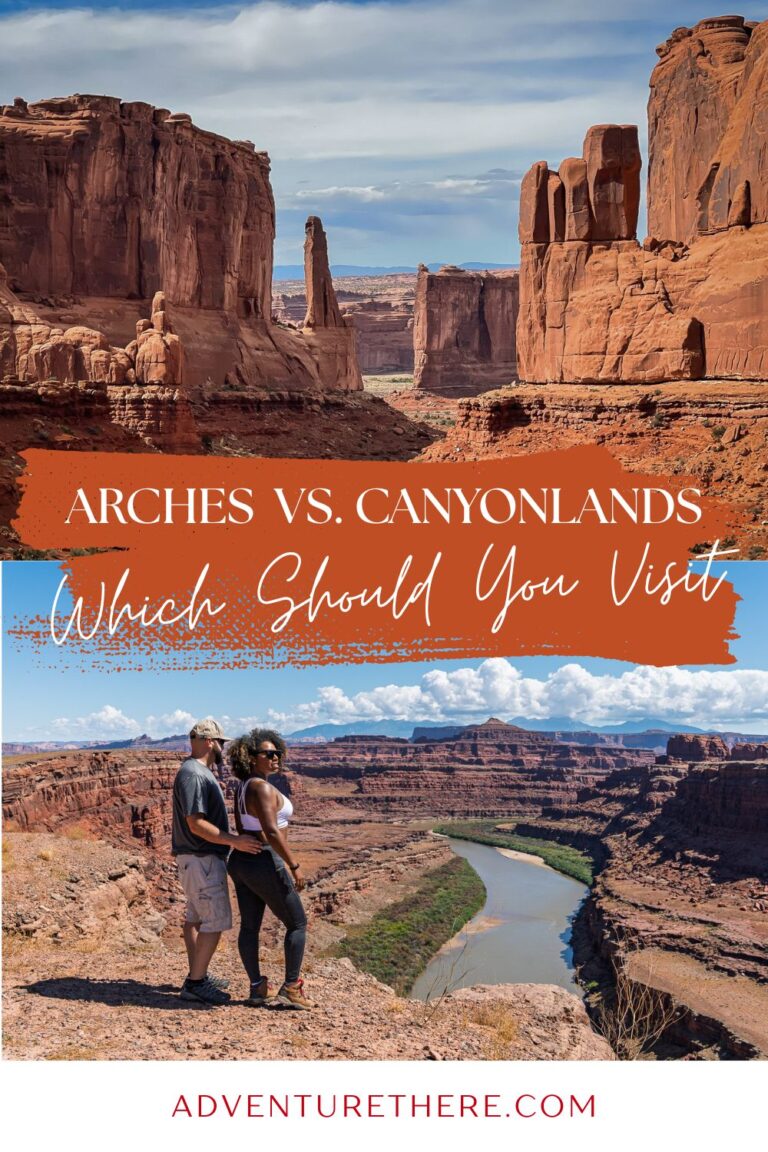
Arches vs. Canyonlands: Which National Park Should You Visit?
What to Expect at Arches National Park for Your First Visit
What to Expect at Canyonlands National Park for Your First Visit
Best Easy Hikes Near Moab for Scenic Views Without Overdoing It
Best Scenic Drives Near Moab Worth Adding to Your Trip
Best Tours Near Moab Worth Considering
Moab as part of a bigger road trip:
[Utah Mighty 5 Road Trip Guide: How to Plan It Without Rushing]
Moab Road Trip Resources: Lodging, Gear, Tours & Planning Tools
Final Moab Planning Note
By this point, we hope our take on the ultimate Moab Utah travel guide hasn’t been too much info and your eyes aren’t starting to gloss over. But just in case, here is a quick breakdown to take with you.
Visit both Arches and Canyonlands if you can. Definitely don’t sleep on Canyonlands.
Fall is our favorite time to go, with spring close behind. Summer works with a heat strategy. Book lodging and tours before you think you need to — Moab fills earlier than most first-timers expect.
Give yourself enough time to enjoy the scenic drives. Don’t cram too much into one day unless you’re okay just sampling the place.
Most of all, Moab isn’t just a national park stop. It’s a destination worth showing up for with time, intention, and a little flexibility.
And yes, we’re biased.
But to us, Moab has earned it.