What to Pack for Moab: Desert Road Trip Essentials
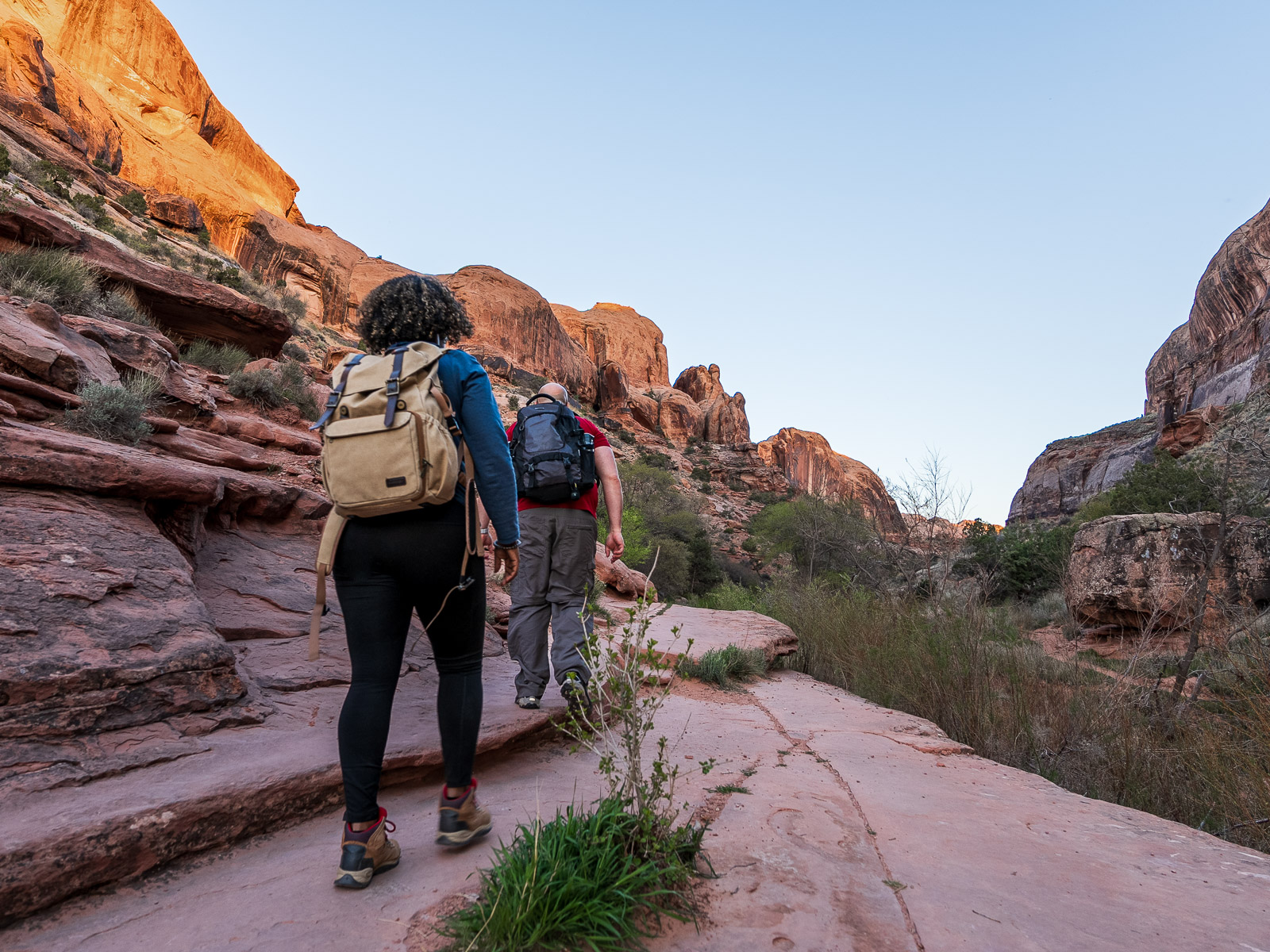
Moab doesn’t punish you for packing wrong immediately.
It waits until mile two of an exposed trail at 11 a.m., when you realize your shoes have no grip, your water bottle is empty, and you have one squished banana left between two people — oh, and a bald head that desperately needed a hat about two miles ago.
Ask us how we know that one.
The packing mistakes that matter most in Moab are not exotic ones. They are usually the obvious things people assume they can handle without thinking: shoes, water, sun protection, layers, snacks, offline maps, and, if you’re traveling with dogs, overlooking paw safety in the desert.
Use this as a practical Moab packing list, not a bring-everything gear dump. Good desert road trip packing is about heat, exposure, hydration, and backup plans — based on real Moab trips, desert park days, scenic drives, RV stays, and a few lessons we would rather you learn from us than from the trail.
The Short Version: What to Pack for Moab
If you want the fast list before the breakdown, these are the Moab packing essentials worth not skipping:
• Hiking boots, hiking shoes, or trail shoes
• Sunglasses
• A hat
• Sunscreen
• Lightweight, breathable, moisture-wicking long sleeve hiking shirt
• Lightweight hiking pants or zip-off hiking pants
• A daypack or hiking backpack
• More water than you think you need
• Hydration bladder for longer or hotter days
• Insulated water jug with ice — stays in the car
• Snacks
• Offline maps downloaded before you leave
• A warm layer for mornings and evenings
• Dog water, leash, poop bags, and a heat plan if traveling with pups
Everything else depends on your season, itinerary, and travel style. But if you skip the basics on that list, you will probably feel it.
Footwear: Start Here
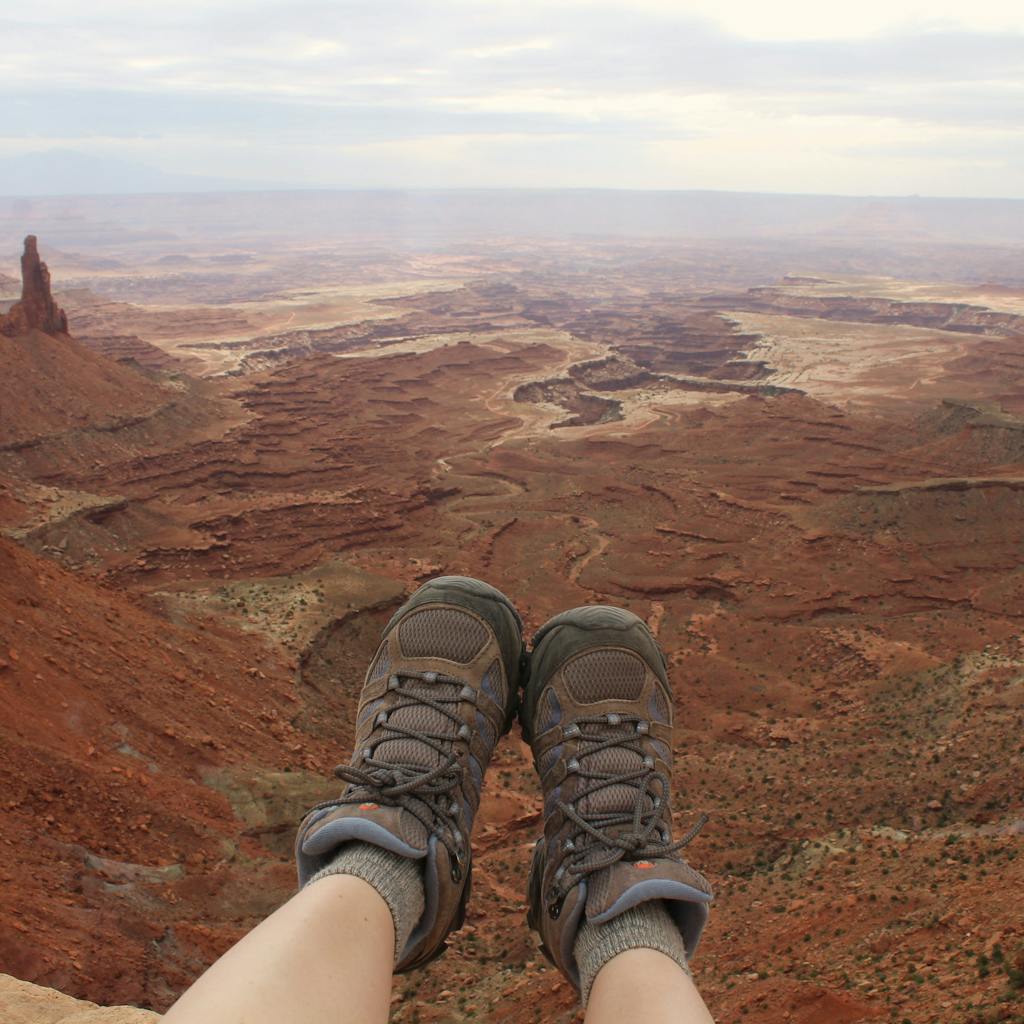
If there is one packing choice not to treat casually in Moab, it’s footwear.
Moab trails are consistently uneven, rocky, sandy, slick in places, and hard on your feet over a long park day. Regular sneakers can technically get you through easy stops — we’ve done it — but by the end of the day, your feet, ankles, and general outlook on life may feel the difference.
The grip matters on slickrock and sandy surfaces. The support matters when you are stepping over uneven rock or walking farther than expected. The cushioning matters when your “quick stop” somehow becomes three short hikes, four viewpoints, and one extra pullout because the light looked too good to pass up.
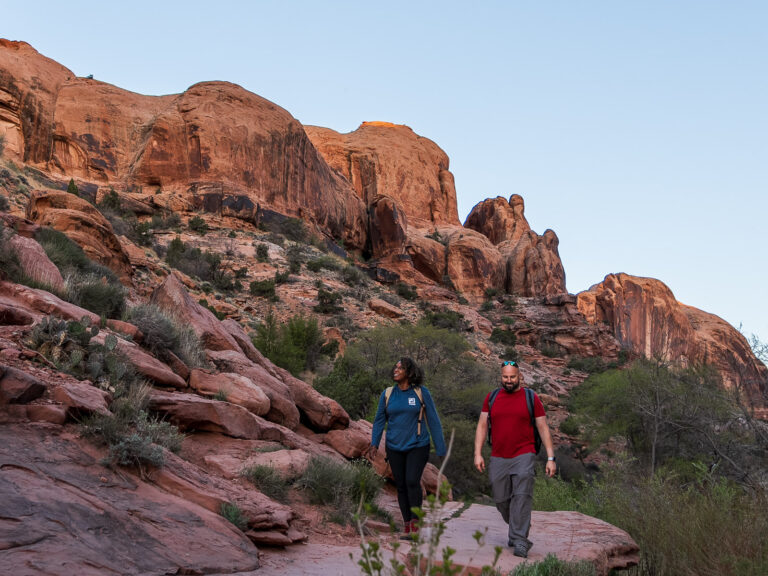
You don’t need heavy backpacking boots for most first-time Moab visits. If your plans mostly involve short and easy Moab hikes, a solid trail shoe or light hiking boot is usually the sweet spot. The most important Moab hiking gear is not fancy — it is shoes with grip, sun protection, water, and a daypack that actually carries what you need.
Pack trail shoes, hiking shoes, or hiking boots that are already broken in. Moab is not the place to discover your new boots and heels can’t get along.
Sun Protection: All of It, Not Some of It
The Moab sun is not playing around.
Sunglasses are non-negotiable. The glare off slickrock, sand, and open desert terrain can get intense, especially when you are driving, hiking, or spending long hours outside.
A hat is also a must for me. As a bald guy who can definitely burn in the desert, I protect the coconut whenever possible. A wide-brim hiking hat, sun hat, or even a good cap can make a big difference.
Sunscreen matters too, but we prefer not to rely on sunscreen alone. A lightweight, breathable, moisture-wicking long sleeve hiking shirt keeps the sun off your skin while still feeling comfortable. A good UPF-rated shirt or sun hoodie beats slowly turning into a lobster by midafternoon.
For Moab, think coverage that breathes: sunglasses, hat, sunscreen, and lightweight sun-friendly layers.
Clothing and Layers
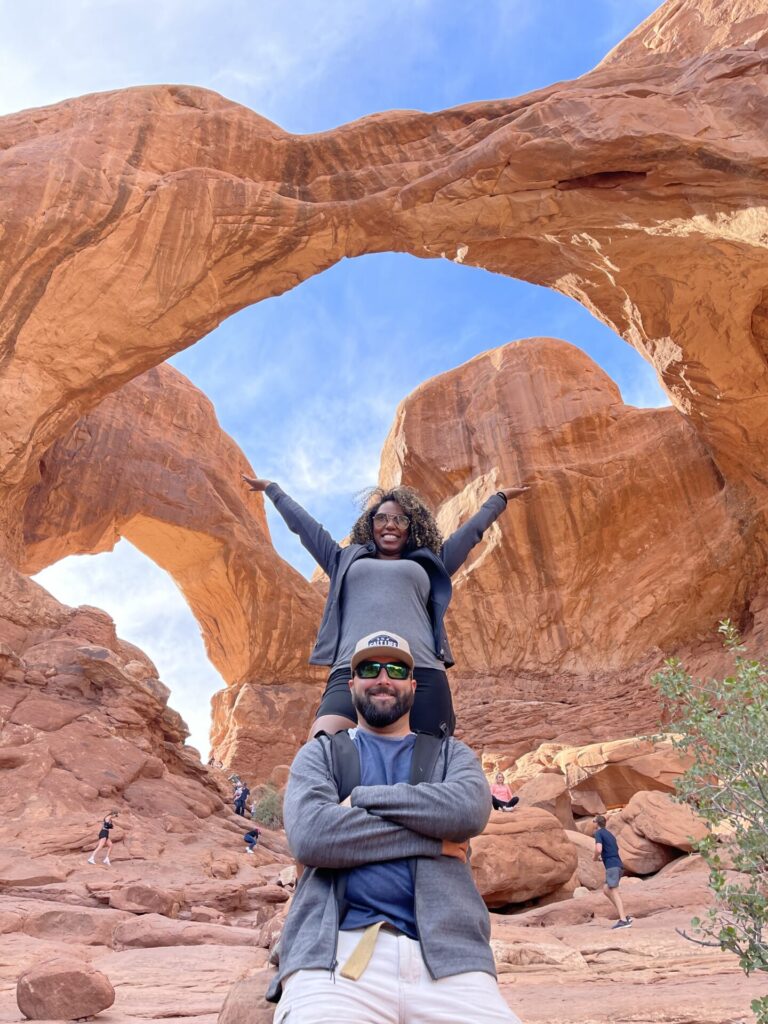
Moab does not require a huge wardrobe. It requires the right one.
The desert can swing more than people expect. Mornings may be cool, afternoons can get hot, overlooks can be windy, and evenings can drop back down quickly — especially in spring and fall. Before deciding which layers to bring, check Moab weather by season rather than relying only on the daytime high.
A breathable long sleeve hiking shirt is our go-to for Moab days. For bottoms, lightweight zip-off hiking pants are one of those packing decisions that sounds boring and turns out to be one of the smartest things in your bag. Are they fashionable? No. Will they earn their place every single day in the desert? Yes.
Good Moab clothing to pack:
• Breathable long sleeve hiking shirt or sun hoodie
• Lightweight zip-off or hiking pants
• Moisture-wicking socks
• Light fleece or packable jacket
• Warmer layer if visiting in winter or cold shoulder-season weather
The Daypack: Your Mobile Base Camp
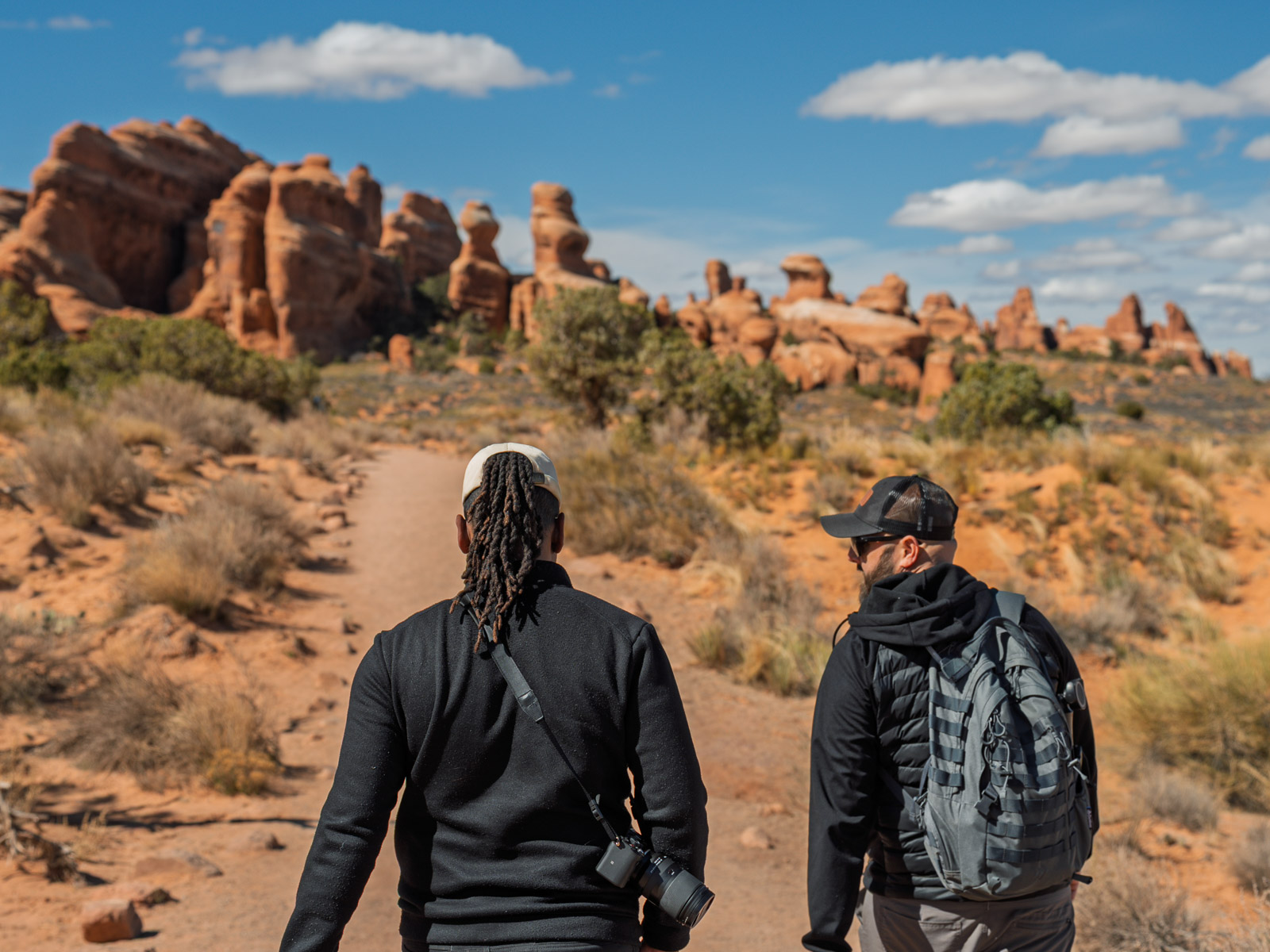
A hiking backpack or daypack is an absolute must for Moab.
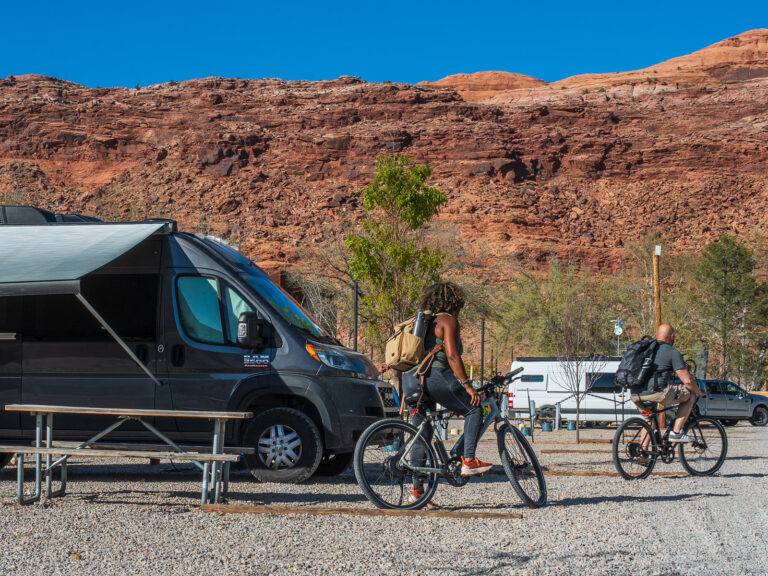
Even without a major hike planned, Moab park days involve carrying more than you think: water, snacks, sunscreen, layers, offline navigation, a small first-aid kit, dog supplies if needed. A good daypack does not need to be huge — 20 to 30 liters hits the right range — but it should be comfortable enough to wear for several hours.
At minimum, your pack should carry:
• Water bottles or hydration reservoir
• Snacks
• Sunscreen
• Extra layer
• Phone and offline maps
• Small first-aid kit
• Dog water or supplies if needed
• Small trash pouch for wrappers
Moab trails aren’t lined with convenience stores. Your backpack is your quickie-mart, so stock it right.
Water and Hydration: Build a System, Not Just a Bottle
This is the most important packing decision you will make for a Moab day, and the one most people underestimate.
At minimum, we carry at least two large refillable metal water bottles — one each. Metal holds up better than plastic in rugged terrain and keeps water cooler longer. Refill whenever you can. Topping off at a visitor center or town stop can matter more than you expect later in the day.
For longer hikes or hotter days, we add a hydration reservoir to the pack. Hands-free water access keeps you drinking consistently instead of waiting until you are already behind on fluids.
The move that changed our Moab and hiking days in general: a large insulated water jug with ice left in the car. After a hot hike, getting back to cold water waiting for you feels like a reward you absolutely earned.
Think in layers:
• On you: water bottle or hydration bladder
• In your pack: extra water for longer hikes
• In the car: insulated jug with ice for refills
• For dogs: dedicated dog water bottle or collapsible bowl
Bring more water than feels reasonable. Moab is very good at convincing you that you are fine right until you are not.
Offline Maps and Navigation
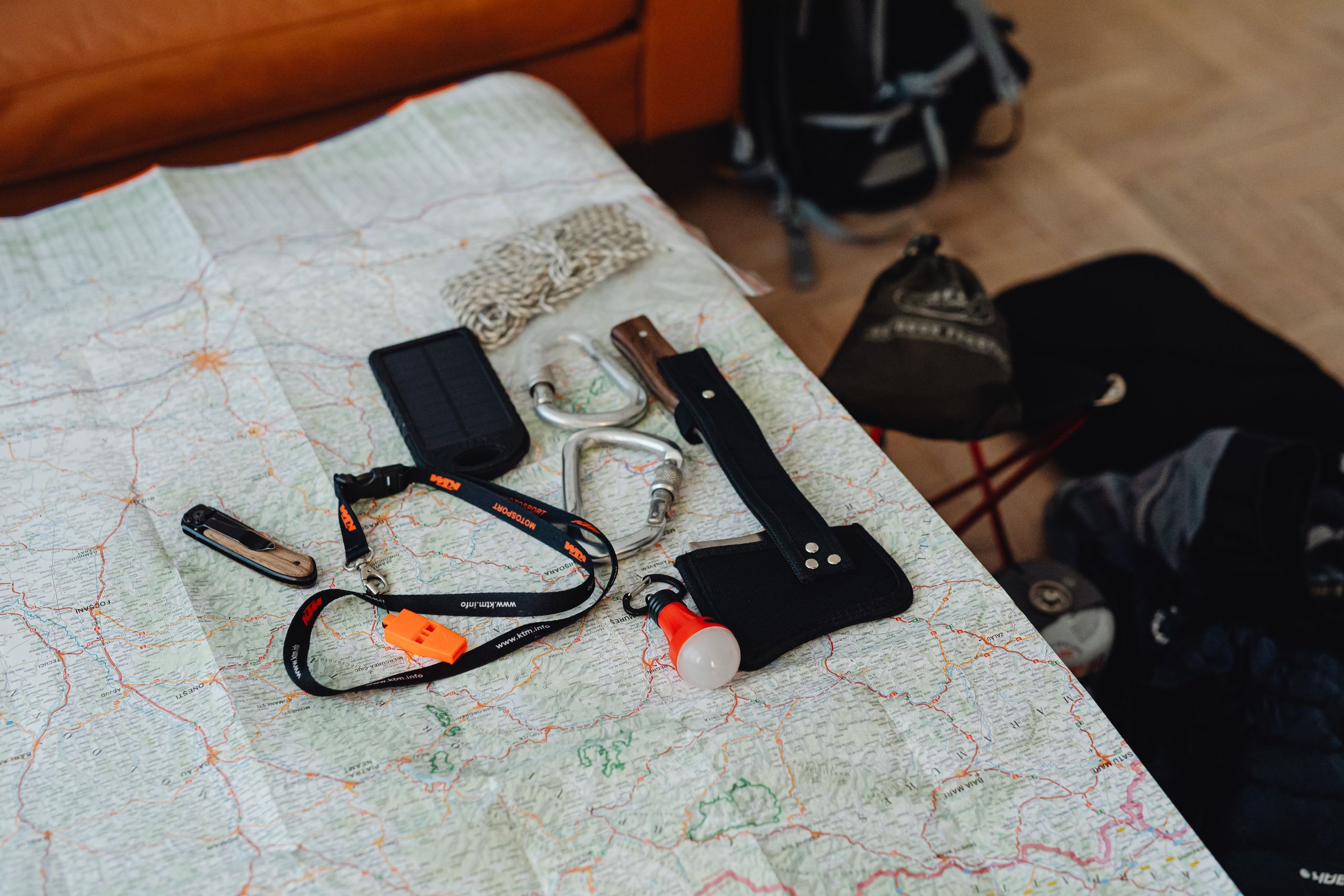
Cell service in and around Arches, Canyonlands, and most scenic routes can be unreliable — and it tends to disappear exactly when you need it, because of course it would.
Download offline maps before you leave your hotel, campground, or RV site. Google Maps, AllTrails, Gaia GPS, and other navigation apps all help depending on your plans. If you plan to explore beyond the parks, research Moab’s best scenic drives before you go so you know which routes fit your vehicle, schedule, and comfort level. For the planning-tool side, use Moab Road Trip Resources before you go so your maps, park links, and backup resources are saved in one place.
A portable phone battery pack is also worth tossing in the daypack. Navigation, photos, and heat can drain your battery faster than expected on a long park day.
Snacks and Trail Food
Moab has good food, but you still need snacks.
Park days stretch. A short trail becomes longer because you linger at the view. And suddenly everyone is hungry, dusty, and slightly less charming than they were at breakfast.
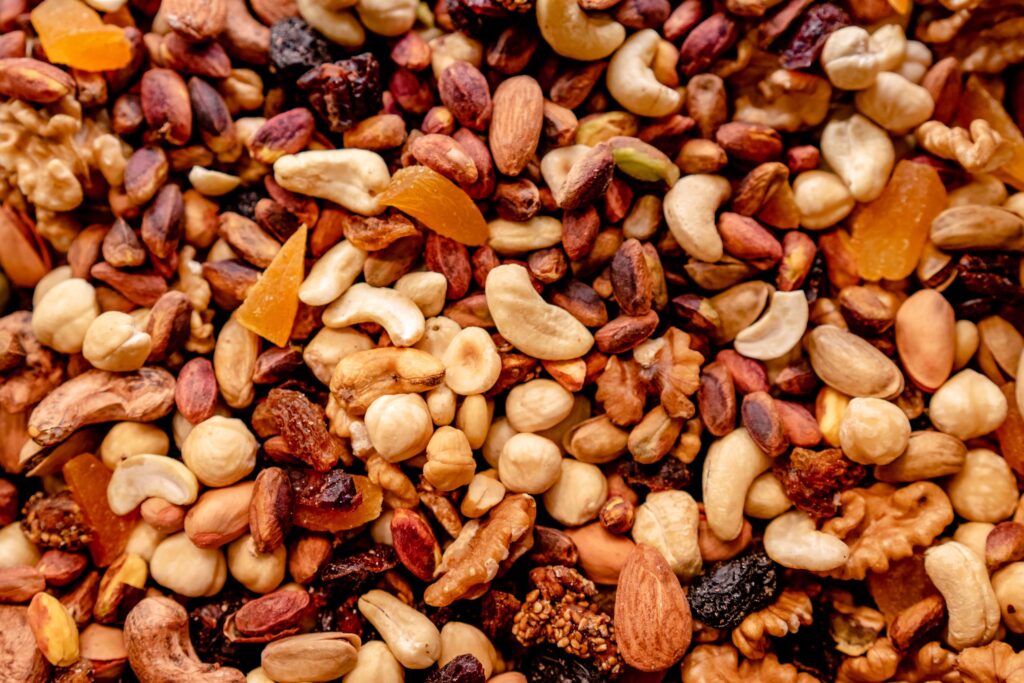
Pack snacks that can survive heat and movement: protein bars, trail mix, jerky, crackers, nuts, fruit that travels well, electrolyte packets. This is not the place for delicate snacks that melt into sadness by 11 a.m.
Dog Gear for Moab
Moab can be great with dogs, but only if you plan around heat, shade, and national park restrictions.
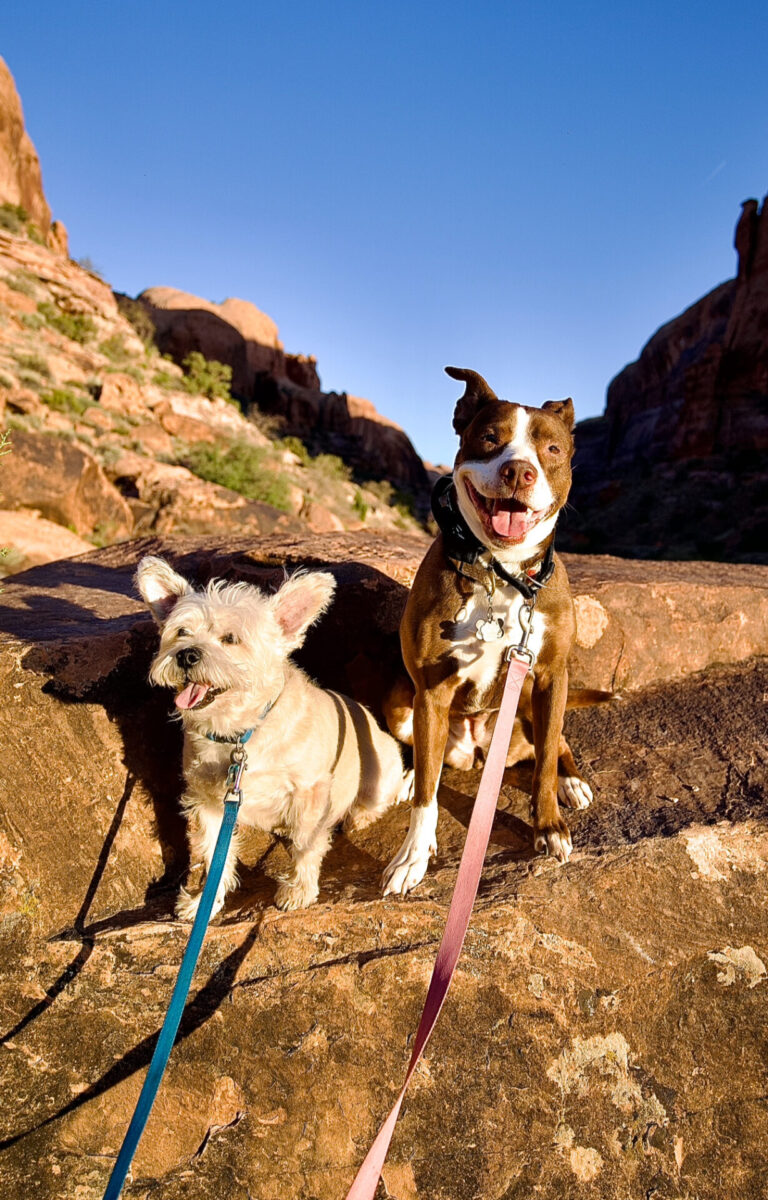
Wilson and Journey love the area, but Arches and Canyonlands are very limited for dogs — pets are mostly restricted to roads, parking areas, and campgrounds. The best dog adventures happen outside the park boundaries. Know that going in so you are not figuring it out in a parking lot.
For dog-friendly hikes and outdoor areas, bring a leash, collar, extra poop bags, and a dedicated dog water bottle or collapsible bowl. Always pick up after your dog. Do not leave bags on trails with the imaginary plan of getting them later.
We tried dog shoes on Wilson and Journey. They stepped around like Bambi, gave us the “why have you done this to me” look, and basically refused to walk. So, for us, paw safety means checking ground temperature, watching the terrain, avoiding the hottest part of the day, and choosing shade whenever possible. If your dogs tolerate booties, great. If not, you need another plan.
For RV travelers: reliable climate control while dogs stay back is the biggest thing. A temperature monitor so you can check the RV remotely when you have service is peace of mind, not being extra.
Dog safety note: Do not treat climate control as a convenience item. In warm or cold weather, use a reliable setup, check it before you leave, and have a backup plan if power or temperature control fails.
Moab Packing List: Quick Checklist
Footwear
• Hiking boots, hiking shoes, or trail shoes (broken in)
• Moisture-wicking socks
Sun Protection
• Sunglasses
• Sun hat
• Sunscreen — enough to reapply
Clothing
• Moisture-wicking long sleeve hiking shirt (UPF rated)
• Zip-off or lightweight hiking pants
• Light fleece or packable jacket
• Warmer layer for cold seasons
Hydration
• 2 large refillable water bottles
• Hydration reservoir / CamelBak for longer days
• Large insulated water jug — stays in the car
• Electrolytes if helpful
Daypack
• 20–30 liter daypack with hydration sleeve
• Small first-aid kit
• Snacks and trail food
• Trash pouch
Navigation
• Offline maps downloaded before you leave
• AllTrails or Gaia GPS
• Portable phone battery pack
Dog Gear (if applicable)
• Leash and collar
• Extra poop bags
• Dog water bottle or collapsible bowl
• Paw safety plan
• Shade strategy during peak heat
• RV temperature monitor if leaving dogs in the rig
The Bottom Line
Moab is not the kind of place where you can fake your way through a poorly packed bag.
But packing right is not complicated either. Real footwear, solid sun protection, breathable layers, a layered hydration system, offline maps, and a daypack that holds the basics will cover the overwhelming majority of what a first Moab trip involves.
The biggest packing mistake is not forgetting some fancy piece of gear. It is underestimating the basics.
Pack smart. Morning light is your friend. Refill water when you can. Once the packing is handled, you can plan the rest of your Moab trip around the parks, scenic drives, and experiences you want to prioritize.
And maybe bring the zip-off pants. You will not win a fashion award, but you might just have a better day.
Use [National Park Packing Resources] for broader gear guidance, then browse our Moab gear and planning resources for destination-specific tools, lodging, tours, and trip-planning links. And keep the final rule simple: the desert does not care how confident you felt at home.
Related guides: · Moab Mistakes First-Timers Make and How to Avoid Them